Explore how mismanaged CHEP pallets in Australia and New Zealand can silently cost businesses tens of thousands in avoidable fees. Learn how to track, prevent, and recover.
The Real Cost of a CHEP Pallet: An Australian and New Zealand Story

Explore how mismanaged CHEP pallets in Australia and New Zealand can silently cost businesses tens of thousands in avoidable fees. Learn how to track, prevent, and recover.

Learn how CHEP hire charges are calculated, what Suspended and Escrow balances mean, and how Precise Pallet Management helps businesses take control of pallet costs.

Discover how a major food manufacturer recovered more than $200,000 and began reducing a multimillion-dollar pallet liability after switching from external pallet control to Precise Pallet Management.

Discover how PPM and partners reduce the cost of generosity for Foodbank through national pallet management and logistics support.
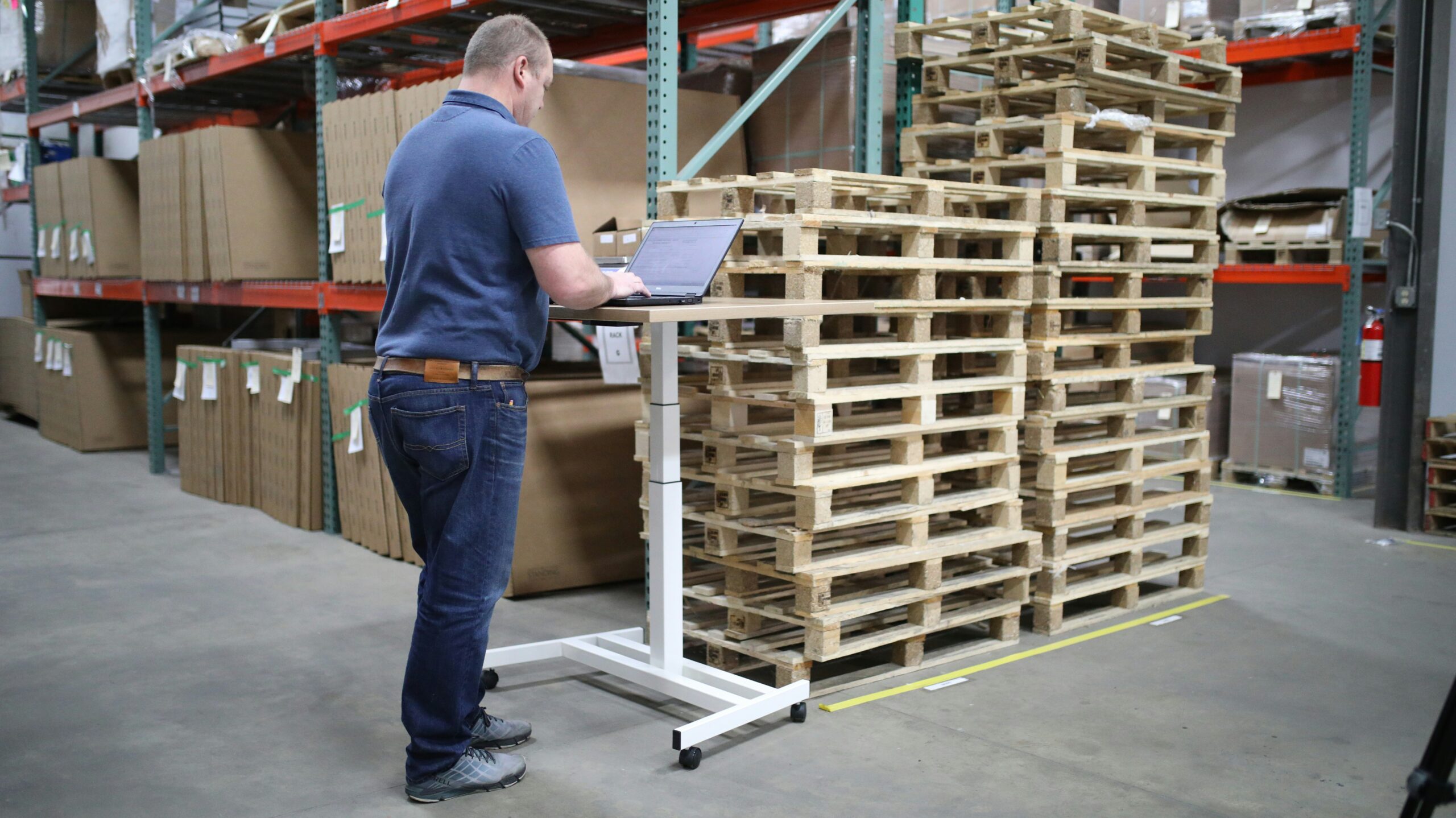
Selecting the appropriate pallet management system is a crucial decision for any business. The pallet management procedures a company adopts play a significant role in determining its operational efficiency, safety standards, and overall reputation within the supply chain. An efficient pallet management system can help businesses avoid pallet loss, minimise damage, and improve supply chain performance. Ultimately, this ensures a smoother and more cost-effective logistics operation.
In this article, we’ll explore key factors to consider when choosing a pallet management solution, focusing on the advantages of partnering with reputable providers such as CHEP and Loscam for hired pallets.
Before choosing a pallet management system, it’s essential to first understand the specific needs of your business. Factors like transportation, handling, storage, and the overall flow of goods within your supply chain are critical. Depending on your location, such as in Brisbane or Melbourne, pallet management practices may vary to accommodate regional differences in logistics.
One of the most important considerations is ensuring that you have enough pallets available when needed. A shortage of pallets can result in delayed shipments, while an excess of pallets could lead to unnecessary costs related to hired pallets. Partnering with a pallet management provider like CHEP or Loscam helps you strike the right balance, ensuring you always have access to the pallets you need while avoiding unnecessary expenditure.
Understanding your operational needs is crucial when choosing a pallet management solution. The type of products you handle, the volume of work, and your geographical and distribution networks all play a role in determining the best system for your business. For instance, businesses dealing with perishable goods or large volumes of shipments may require more advanced tracking and pallet management systems to ensure timely deliveries.
A reliable pallet management provider can offer tailored solutions that support your supply chain, allowing you to track the movement, location, and condition of your pallets. By choosing a provider who understands your specific needs, you can strengthen your market position and improve operational efficiency.
It’s vital to partner with a pallet management provider that complies with industry standards and regulations, both at the state and federal level. In Australia, pallet management companies like CHEP and Loscam operate within the framework of these regulations, helping businesses stay compliant and avoid legal issues.
In addition to national regulations, if your business involves international shipping, it’s crucial to choose a provider who can meet the standards for offshore logistics. Compliance with international shipping regulations ensures that you avoid penalties and delays associated with non-compliant consignments. Before finalising your partnership, make sure to verify whether the pallet management company you’re considering supports international shipping, especially if your business involves cross-border trade.
Both CHEP and Loscam are leaders in the pallet hire industry, offering sustainable and efficient solutions for businesses of all sizes. These providers offer a comprehensive pallet management service that covers the tracking and maintenance of pallets, ensuring that your logistics run smoothly without the need for constant monitoring.
Moreover, by using CHEP or Loscam pallets, your business can benefit from their extensive network and reliable supply chains, which can enhance your operational flexibility. This is particularly important for businesses that experience fluctuating demand for pallets or need a reliable provider to support seasonal peaks in activity.
CHEP and Loscam are also committed to sustainable practices. Their systems support environmentally friendly logistics solutions, which can help businesses align with sustainability objectives while reducing waste. This is particularly important for companies looking to adhere to the Australian National Packaging Covenant, promoting responsible packaging and logistics practices.
Choosing the right pallet management system can significantly impact the efficiency and profitability of your business. By partnering with trusted providers like CHEP or Loscam, you can ensure your business operates smoothly, without the burden of pallet shortages or damages. Additionally, working with a reputable provider helps you stay compliant with industry standards and international shipping regulations.
When selecting a pallet management provider, consider factors such as your business’s specific needs, geographical location, and regulatory compliance. A well-managed pallet system can streamline your supply chain, improve your logistics, and boost your reputation within your industry.
Looking for the best pallet management solution for your business? CHEP and Loscam are trusted partners offering a range of services designed to meet the unique needs of your supply chain. Visit their websites to learn more about their offerings and how they can support your business.
For more information, you can contact CHEP at www.chep.com or Loscam at www.loscam.com.
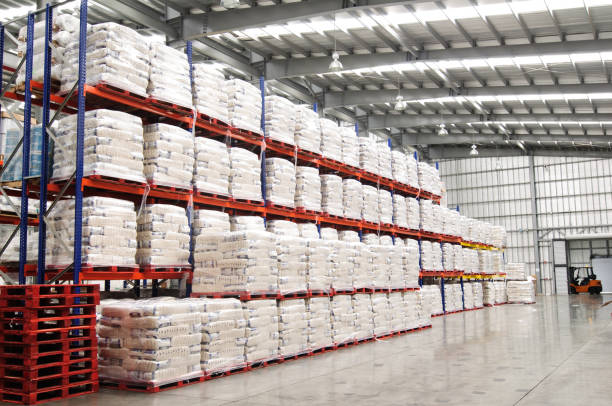
With the ongoing modernisation of industries, plastic pallets are increasingly replacing traditional wooden pallets. Many businesses are adopting plastic pallets due to their durability, ease of maintenance, recyclability, and cost-effectiveness. This shift towards plastic aligns with both operational needs and environmental conservation initiatives.
One key trend in this area is plastic pallet pooling, where companies rent pallets instead of purchasing them outright. This model allows businesses to focus on their core operations while third-party providers manage the pallet supply.
But what exactly are the opportunities and challenges associated with the rise of plastic pallets in emerging markets?
Plastic pallets, especially those from brands like Chep and Loscam, have a much longer lifespan compared to traditional wooden pallets. They are designed to withstand harsh operational conditions, including exposure to moisture and extreme temperatures. Unlike wood, plastic does not absorb moisture, meaning there is no risk of decay. This makes plastic pallets suitable for year-round use, regardless of the environment.
In the modern industry, plastic pallets are considered more robust and durable, offering improved operational efficiency and a longer service life.
One of the standout features of Chep plastic pallets is their reduced weight. This directly lowers shipping costs, which are often determined by the weight of goods being transported. Additionally, plastic pallets are easier to handle manually than wooden pallets, especially for companies without access to lifting equipment.
The lighter weight also reduces the risk of workplace injuries during manual handling, making them a safer and more efficient alternative to their wooden counterparts.
Plastic pallets such as Loscam and Chep are highly sustainable. They are recyclable, which extends their life cycle and reduces the need for frequent replacements. Over time, this sustainability offers both environmental and economic advantages. With reduced demand for raw materials, the environmental impact of pallet production is lessened.
Furthermore, because plastic pallets are reusable, they contribute to reducing waste and pollution, making them a preferred option in industries that prioritise eco-friendly practices.
For more on sustainable logistics practices, visit Supply Chain Sustainability.
An innovative concept gaining traction is plastic pallet pooling. Under this system, companies rent pallets from third-party providers rather than purchasing them. The pooling service ensures that pallets are regularly maintained, repaired, and replaced, with no additional costs incurred by businesses within the pool.
Pallet pooling helps companies avoid the upfront costs associated with purchasing pallets and ensures a steady supply without the risk of shortages. With standardised pallet sizes, pooling also makes it easier to comply with global shipping regulations and guidelines.
This system offers a significant advantage for businesses, particularly in the logistics sector, where efficient pallet management is essential.
For more on pallet pooling, see CHEP Pallet Solutions.
Despite the numerous advantages of plastic pallets, there are still some challenges that businesses must consider before making the switch. One significant challenge is the potential overdependence on pooling providers. Companies within a pallet pool rely heavily on the provider’s ability to supply and manage pallets. If a pooling provider faces operational difficulties or supply chain disruptions, it can have a direct negative impact on the businesses relying on their services. For instance, delays and pallet shortages can occur during peak periods.
To mitigate this risk, companies may need to establish backup systems or diversifying their pallet supply sources.
Plastic pallets, while durable, can be prone to absorbing dirt and chemicals, particularly in industries dealing with hazardous materials. If a plastic pallet has been exposed to spills or leaks, and the pallet is not properly cleaned, it can lead to cross-contamination. This is particularly concerning in industries like food and pharmaceuticals, where cleanliness and hygiene are paramount.
In such cases, the pallet pooling system could inadvertently become a source of contamination, leading to potential health and safety risks. It is therefore vital that pooling providers implement stringent cleaning and inspection procedures to maintain the integrity of the pallets in circulation.
For more on preventing cross-contamination in logistics, visit Food Safety and Quality in Logistics.
Plastic pallets are increasingly replacing traditional wooden pallets due to their durability, lightweight nature, and sustainability benefits. Leading brands like Chep and Loscam are offering businesses a reliable and cost-effective solution for pallet management.
The advent of plastic pallet pooling has further simplified logistics, allowing companies to avoid upfront costs and ensuring a constant supply of pallets. However, challenges such as overdependence on pooling providers and the potential for cross-contamination must be addressed to maximise the benefits of plastic pallets.
If your business is planning to modernise its pallet management system, consider working with a reliable partner like Precise Pallet Management, offering top-quality Chep and Loscam plastic pallets. Contact us at connect@precisepallets.com.au or call (03) 9020 4700 to discuss how we can help streamline your logistics operations.

Pallet management plays a vital role in the logistics industry, ensuring smooth operations by helping businesses track inventory, reduce product loss, and streamline the supply chain. Whether you’re dealing with product movement, storage, or transportation, an effective pallet management system is crucial for keeping things running efficiently. Many Australian pallet companies are now leveraging advanced technologies to help clients stay compliant with industry standards and regulations.
In this post, we’ll explore 10 best practices that can make your pallet management system more efficient and cost-effective, ultimately improving your logistics operations
In today’s world, technology plays a crucial role in pallet management. Using barcodes and RFID tags to identify pallets, companies can track stock movement across the supply chain with ease. Pallet tracking software automates data entry, reducing human error and improving accuracy. This means businesses can monitor their pallets in real-time, minimising stock loss and improving overall operational efficiency. With advanced systems in place, Australian pallet companies can manage inventories with minimal manual handling, ensuring accurate tracking and reducing the risk of errors. If you decide not to embrace this level of technology both Pallet Watch and 2ic pallet software provide tracking software requiring manual entry, data import and API connectivity to your Transport or Warehouse management systems.
Proper pallet storage is essential to maximising warehouse space and ensuring easy access to goods. A well-organised pallet control system ensures that storage is efficient, with pallets stacked in a way that allows for proper airflow and minimises overcrowding. This is particularly important for industries such as food and beverages, where air circulation is crucial. By optimising storage, businesses can retrieve products faster, reducing delays in picking and shipping.
Consistency is key when it comes to pallet management. Using standard pallet sizes ensures compatibility across different supply chain systems, whether sea, air, or road. Standardised pallets make inventory management simpler; help streamline the movement of goods, and reduce space wastage in warehouses. They also pass through customs and quarantine systems smoothly, helping companies comply with regulations and avoid delays.
Routine inspections are vital to maintaining a smooth operation and minimising disruptions. An effective pallet control system enables regular inspections, making it easy to spot damaged or broken pallets. Pallet repair systems are crucial for maintaining product integrity and preventing workplace accidents. By keeping pallets in good condition, businesses can reduce costs related to damaged goods and maintain a safer work environment.
Having a well-defined policy for pallet returns is essential for maintaining accountability and reducing discrepancies in inventory management. Clear guidelines around pallet returns, along with a structured pooling system, ensure that both suppliers and companies fulfil their respective obligations. In Australia, following these guidelines helps maintain stock levels and reduces the likelihood of missing pallets, which can disrupt operations.
Manual pallet management can be time-consuming and error prone. By embracing technology, businesses can automate many aspects of pallet tracking, inventory management, and logistics coordination. Warehouse Management Systems (WMS) and Enterprise Resource Planning (ERP) software are excellent tools for streamlining operations, providing real-time data on pallet movement and inventory. With automated systems, businesses can reduce human error and make informed decisions based on accurate, up-to-date information.
Effective pallet management isn’t just about optimising operations; it’s also about controlling costs. By tracking pallet usage and analysing data, businesses can identify areas where costs are exceeding budget, making it easier to implement cost-saving measures. Regular reviews of financial performance within pallet control systems are essential to ensure that costs are in line with business objectives. This kind of monitoring helps prevent operational inefficiencies that could lead to profitability challenges.
A crucial component of effective pallet management is staff training. Employees need to be well-versed in proper pallet handling techniques to prevent damage and injuries. This includes training in the safe operation of logistics equipment like forklifts. Additionally, staff should be familiar with the company’s pallet control systems, such as those in Queensland, to ensure safety and efficiency. Regular training ensures that employees adhere to health and safety regulations, creating a safer and more productive workplace.
Sustainability is becoming increasingly important in logistics. One way to make pallet management more eco-friendly is by recycling pallets instead of discarding them after one use. This reduces the need for new pallets, cutting down on manufacturing waste and lowering carbon emissions. Many Australian pallet companies are investing in eco-friendly materials and sustainable production processes to help reduce the environmental impact of their operations.
Managing a pallet fleet can be resource-intensive, especially for businesses with multiple depots. To alleviate this burden, many companies turn to pallet pooling. Pallet pooling involves outsourcing the management of pallets to a third-party provider, allowing businesses to focus on their core operations. This practice ensures that pallets are always available when needed, reducing the need to purchase, recover, and maintain additional pallets. It’s a cost-effective and efficient solution for businesses with a widespread distribution network.
An effective pallet management system is critical to maintaining smooth logistics operations, reducing costs, and improving inventory management. By implementing these 10 best practices, businesses can optimise their pallet systems, ensure better product flow, and improve overall operational efficiency. Whether you’re using advanced technology or focusing on staff training and sustainable practices, the goal remains the same: a streamlined, cost-effective, and safe pallet management system that supports your business’s long-term success.
For all your pallet control system needs, please visit the Precise Pallet Management website for more details. Our email address is connect@precisepallets.com.au, and the phone number is (03) 9020 4700.

Pallet management involves organising, tracking, and optimising the use of pallets in logistics, warehousing, and supply chain operations. Pallets are essential for efficient goods transportation, and pallet management companies play a crucial role in reducing costs, improving space utilisation, and enhancing the overall flow of goods.
Pallet management systems are designed to minimise pallet loss and allow companies to focus on their core business while the rest is handled by pallet management companies. This system safeguards accountability and controls pallet loss, protecting products from damage by reducing contact with dirt, moisture, and contaminants.
Pallet management is a critical part of the logistics and supply chain system. It optimises the flow of goods and improves the operational effectiveness of transportation systems. By reducing costs associated with lost or damaged pallets, companies can avoid the recovery, repair, and maintenance of pallets, which are managed by pallet management companies. These companies are also crucial in implementing pallet controls across Tasmania and the rest of Australia.
Pallet management ensures that companies operate within the logistics industry’s policy framework and holds your team accountable. A pallet management company supplies pallets and streamlines operations, ensuring compliance with industry regulations. For example, food and pharmaceutical companies must adhere to regulated parameters such as temperature, storage, and transportation methodologies to ensure product safety and prevent expiry.
Pallet control systems in Australia are essential for tracking and organisational purposes. With technology like barcodes, QR codes, and tags, companies can distinguish their pallets from the rest of the freight, enabling an effective pallet control system and improving inventory management. This system minimises errors, maintains accurate product details, and facilitates convenient audits and inspections based on pallet configurations.
Pallet control systems safeguard products against damage during transportation, reducing the risk of damaged goods. Products supported on a single pallet minimise the risk of mix-ups within the logistics consignment. This ensures quality assurance, as pallets are essential for storing, handling, and transporting products within regulated standards throughout the logistics chain.
Pallet management focuses on controlling pallets through logistics and supply chain systems. By using a pallet management company as a third-party player, the system ensures the tracking, repair, and circulation of pallets, enhancing efficiency in the logistics system. This streamlines operations, saving companies money on buying, repairing, and maintaining pallets.
Companies needing assistance with pallet management can contact Precise Pallet Management at connect@precisepallets.com.au or (03) 9020 4700.
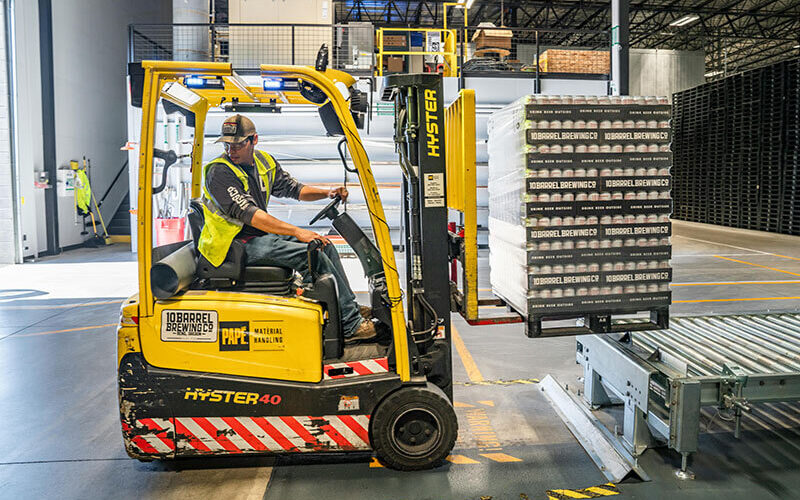
A pallet is a portable, rigid platform used in logistics for storing, stacking, and transporting goods. They enhance warehouse efficiency by facilitating easy movement with equipment like forklifts and pallet jacks. Pallets can be reusable or disposable, made of wood, plastics, or metals, and assembled in various ways, including reversible and stackable configurations. Each pallet has features that will best suit your proposed application. Before you buy any high-quality pallets, or hire pallets including CHEP pallets and Loscam pallets, in Australia, you should look at the below overview of ISO standard pallet sizes:
1. 1200mm × 1000mm in North America.
2. 1000mm × 1100mm in Asia.
3. 1165mm × 1165mm in Australia.
4. 800mm × 1200mm in Europe
Pallets are broadly classified according to the material that was used to make them. While every material has certain advantages, it also has drawbacks. Pallets are available in a variety of shapes and sizes. They could be strengthened with horizontal boards known as stringers or have a top and bottom deck. Below is a description of a few of the most widely used pallet types:
Pallets that have been injection-moulded are flat and come in various colours and sizes. They are typically lighter than wooden pallets and are often nestable. HDPE injection-moulded pallets are long-lasting, recyclable, corrosion-free, and washable, so they are widely used in the food and pharmaceutical industry, where hygiene is of paramount importance.
Compared to block pallets, stringer pallets provide more support. Additional reinforcement is provided by two boards that run between the top and bottom decks on the two opposite ends of the pallet, and the other runs through the centre. However, this means that only two open sides can be used to lift stringer pallets. Pallets with a notch cut in the stringer that enables forklifts to pick them up are called four-way stringer pallets. In Australia CHEP pallets and Loscam pallets are most often stringer pallets
Double-wing pallets help transport many items simultaneously because the top and bottom decks extend past the stringers to provide extra surface area. These non-standard-sized pallets create transportation issues, so it’s worth consulting your provider before ordering this type of pallet.
Rotational moulding is the process used to create roto-moulded pallets. They are affordable, come in various standard sizes, and can increase their load-bearing capacity by adding steel frames. Roto-moulded pallets are employed in sectors where maintaining cleanliness is crucial.
Pallets made of blocks can be lifted in four different directions. Nine and sometimes twelve columns support the upper deck. The lower deck might exist, or it might not. Block pallets can be made of wood, plastic, or metal offering excellent handling efficiency.
Pallets typically only have a top deck. Double-face pallets can be used on either side and have a top and bottom deck. They are robust and suitable for demanding jobs.
A solid deck pallet consists of a single, continuous sheet that is usually made of plastic, metal, or wood with no gaps between them. This type of pallet helps move smaller items and is simple to clean and transport.
Pallets are essential pieces of equipment for storage and transportation. Your business requirements will determine the kind, size, and loading capacity of the pallet that best meets your needs. Plastic pallets, such as those from CHEP Australia and Loscam Pallets Australia, are highly recyclable and have a longer lifespan than wooden pallets, which are the most widely used type. The most important factors to think about are:
Pallet size selection is aided by the dimensions of the packaging, which include height and width as well as the quantity of goods to be shipped.
The pallet you select must abide by ISPM 15 regulations if you intend to send your package overseas. In this situation, plastic pallets such as Chep and Loscam Pallets have become a viable choice in Australia but be sure to check the pallet relocation costs.
As reducing transportation and delivery expenses is a common challenge in the packaging industry, pallet budgets become crucial factors to consider. The ongoing hire cost is most often more affordable and cost effective than an initial capital than an initial expenditure outlay might lower ongoing expenses.
The items you’ll be shipping or transporting should be your top priority. You can choose the type of pallet to use (wooden, plastic, or metal) based on the weight and nature of the goods. Loscam Plastic Pallets, for instance, are perfect for food and drink products and there are options such as crates and beverage trays offered by CHEP and Loscam Pallets too.
You might want to think about using a used or reconditioned pallet if you need one for a single shipment. Selecting materials with high readability becomes crucial if you plan to use the pallet frequently.
Temperature, storage, and transit all play a major role in selecting the pallet material. Pallets made of wood or paper, for instance, may be damp.
In the end, it is suggested that when choosing the best pallet for your business, consider factors like product type, frequency of use, budget, shipping destination, packaging dimensions, and transportation conditions. Each type of pallet, including wood, plastic, or metal, has unique benefits and uses, making it crucial to carefully weigh these factors before buying them or hiring them from any firm such as CHEP Australia or Loscam Australia.

Pallet management services are a key components of the logistics and supply chain operations of many businesses. However, pallets are often overlooked at distribution sites. Storage facilities and fulfillment centers have many facets to manage, and thus, pallet management often takes a backseat. This is where pallet management services come to the rescue. Outsourcing these services can significantly and positively impact operational efficiency, cost-effectiveness, and sustainability. In this blog, we’ll discuss five reasons to invest in pallet management services.
To run an efficient warehouse, you need a dependable pallet supply source. This becomes especially important if you operate a high-volume facility with a large inventory. If you don’t have pallets to place the products on, it can slow down or even shut down the entire operation. Today, the demand for pallets is much higher due to increased shipping demands in consumer and other business sectors. Pallet management services can simplify pallet control and are responsible for lost pallet recovery.
With large operational areas, it becomes incredibly challenging to manage hundreds of pallets in-house. In cases of low pallet stock, facilities often encounter the problem of leaving inventory stacked on the floor. This naturally takes up a lot of valuable space, reducing productivity and increasing the risk of stock damage.
Outsourcing pallet management services provides effective pallet control and organization. They reduce the burden on the facility by making the best use of space possible and removing and replacing decommissioned pallets before they start causing losses and obstructing operations. With pallet management services, workers can store and move items more effectively, saving both time and cost.
Having an adequate supply of pallets is what every facility wants; however, having too many at your location can pose a safety risk for your staff. Unused pallets can occupy your site and increase tripping hazards, potentially resulting in severe injuries for employees. Keeping pallets for too long can also result in damaged or broken pallets entering the workflow, increasing the likelihood of pallet failure, which could be detrimental to operations or lead to product damage.
This is where pallet management companies come to your rescue! They arrange removal damaged pallets and ensure high-quality replacements, taking the danger out of your facility.
Businesses that leverage pallet pooling systems not only remove old pallets and supply shippable ones but also offer repair services that can repurpose your more specific or costly pallets. When pallets sustain minor damages, fixing them is much more affordable compared to replacing them entirely. With knowledgeable staff, pallet management services can develop a pallet recovery and repair program in a reasonable amount of time.
For facilities, it’s sometimes challenging to manage pallet needs with what’s available to buy. Many pallet management services offer valuable insights to help facilities make the best decisions for their warehouses. This helps you spend your money wisely, reduce costs, and reinvest in your establishment.
Investing in pallet management services enhances operational efficiency, optimizes space, improves safety, and ensures access to quality repairs. By providing reliable supply, effective organization, and expert repair solutions, these services streamline logistics, reduce costs, and support sustainability, ultimately boosting your warehouse’s productivity and long-term success.
© 2025 Precise Pallets Management | Privacy Policy | Terms & Conditions