Explore how mismanaged CHEP pallets in Australia and New Zealand can silently cost businesses tens of thousands in avoidable fees. Learn how to track, prevent, and recover.
The Real Cost of a CHEP Pallet: An Australian and New Zealand Story

Your blog category
Explore how mismanaged CHEP pallets in Australia and New Zealand can silently cost businesses tens of thousands in avoidable fees. Learn how to track, prevent, and recover.

Learn how CHEP hire charges are calculated, what Suspended and Escrow balances mean, and how Precise Pallet Management helps businesses take control of pallet costs.

Discover how a major food manufacturer recovered more than $200,000 and began reducing a multimillion-dollar pallet liability after switching from external pallet control to Precise Pallet Management.

Discover how PPM and partners reduce the cost of generosity for Foodbank through national pallet management and logistics support.
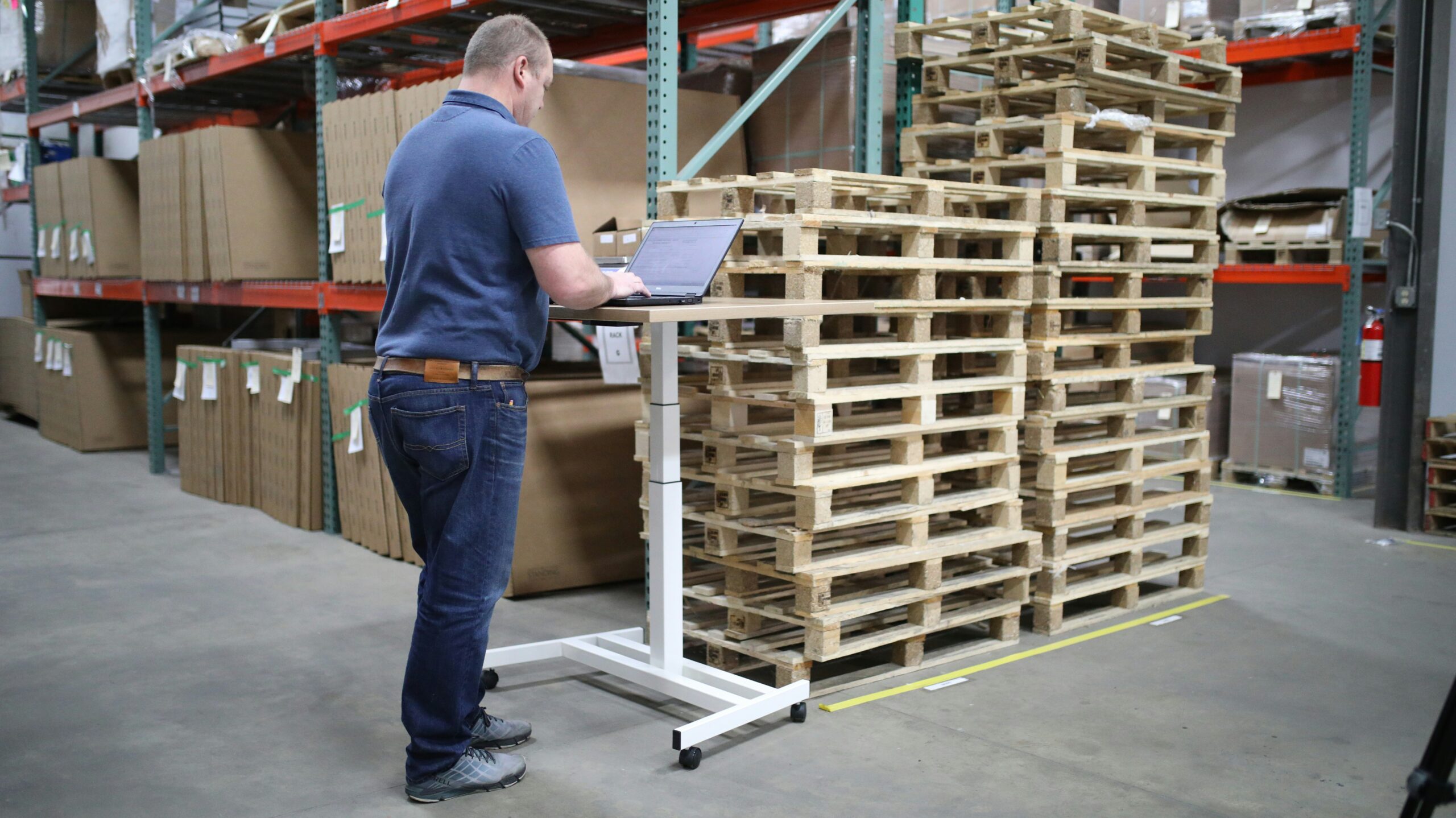
Selecting the appropriate pallet management system is a crucial decision for any business. The pallet management procedures a company adopts play a significant role in determining its operational efficiency, safety standards, and overall reputation within the supply chain. An efficient pallet management system can help businesses avoid pallet loss, minimise damage, and improve supply chain performance. Ultimately, this ensures a smoother and more cost-effective logistics operation.
In this article, we’ll explore key factors to consider when choosing a pallet management solution, focusing on the advantages of partnering with reputable providers such as CHEP and Loscam for hired pallets.
Before choosing a pallet management system, it’s essential to first understand the specific needs of your business. Factors like transportation, handling, storage, and the overall flow of goods within your supply chain are critical. Depending on your location, such as in Brisbane or Melbourne, pallet management practices may vary to accommodate regional differences in logistics.
One of the most important considerations is ensuring that you have enough pallets available when needed. A shortage of pallets can result in delayed shipments, while an excess of pallets could lead to unnecessary costs related to hired pallets. Partnering with a pallet management provider like CHEP or Loscam helps you strike the right balance, ensuring you always have access to the pallets you need while avoiding unnecessary expenditure.
Understanding your operational needs is crucial when choosing a pallet management solution. The type of products you handle, the volume of work, and your geographical and distribution networks all play a role in determining the best system for your business. For instance, businesses dealing with perishable goods or large volumes of shipments may require more advanced tracking and pallet management systems to ensure timely deliveries.
A reliable pallet management provider can offer tailored solutions that support your supply chain, allowing you to track the movement, location, and condition of your pallets. By choosing a provider who understands your specific needs, you can strengthen your market position and improve operational efficiency.
It’s vital to partner with a pallet management provider that complies with industry standards and regulations, both at the state and federal level. In Australia, pallet management companies like CHEP and Loscam operate within the framework of these regulations, helping businesses stay compliant and avoid legal issues.
In addition to national regulations, if your business involves international shipping, it’s crucial to choose a provider who can meet the standards for offshore logistics. Compliance with international shipping regulations ensures that you avoid penalties and delays associated with non-compliant consignments. Before finalising your partnership, make sure to verify whether the pallet management company you’re considering supports international shipping, especially if your business involves cross-border trade.
Both CHEP and Loscam are leaders in the pallet hire industry, offering sustainable and efficient solutions for businesses of all sizes. These providers offer a comprehensive pallet management service that covers the tracking and maintenance of pallets, ensuring that your logistics run smoothly without the need for constant monitoring.
Moreover, by using CHEP or Loscam pallets, your business can benefit from their extensive network and reliable supply chains, which can enhance your operational flexibility. This is particularly important for businesses that experience fluctuating demand for pallets or need a reliable provider to support seasonal peaks in activity.
CHEP and Loscam are also committed to sustainable practices. Their systems support environmentally friendly logistics solutions, which can help businesses align with sustainability objectives while reducing waste. This is particularly important for companies looking to adhere to the Australian National Packaging Covenant, promoting responsible packaging and logistics practices.
Choosing the right pallet management system can significantly impact the efficiency and profitability of your business. By partnering with trusted providers like CHEP or Loscam, you can ensure your business operates smoothly, without the burden of pallet shortages or damages. Additionally, working with a reputable provider helps you stay compliant with industry standards and international shipping regulations.
When selecting a pallet management provider, consider factors such as your business’s specific needs, geographical location, and regulatory compliance. A well-managed pallet system can streamline your supply chain, improve your logistics, and boost your reputation within your industry.
Looking for the best pallet management solution for your business? CHEP and Loscam are trusted partners offering a range of services designed to meet the unique needs of your supply chain. Visit their websites to learn more about their offerings and how they can support your business.
For more information, you can contact CHEP at www.chep.com or Loscam at www.loscam.com.

Pallet management services are a key components of the logistics and supply chain operations of many businesses. However, pallets are often overlooked at distribution sites. Storage facilities and fulfillment centers have many facets to manage, and thus, pallet management often takes a backseat. This is where pallet management services come to the rescue. Outsourcing these services can significantly and positively impact operational efficiency, cost-effectiveness, and sustainability. In this blog, we’ll discuss five reasons to invest in pallet management services.
To run an efficient warehouse, you need a dependable pallet supply source. This becomes especially important if you operate a high-volume facility with a large inventory. If you don’t have pallets to place the products on, it can slow down or even shut down the entire operation. Today, the demand for pallets is much higher due to increased shipping demands in consumer and other business sectors. Pallet management services can simplify pallet control and are responsible for lost pallet recovery.
With large operational areas, it becomes incredibly challenging to manage hundreds of pallets in-house. In cases of low pallet stock, facilities often encounter the problem of leaving inventory stacked on the floor. This naturally takes up a lot of valuable space, reducing productivity and increasing the risk of stock damage.
Outsourcing pallet management services provides effective pallet control and organization. They reduce the burden on the facility by making the best use of space possible and removing and replacing decommissioned pallets before they start causing losses and obstructing operations. With pallet management services, workers can store and move items more effectively, saving both time and cost.
Having an adequate supply of pallets is what every facility wants; however, having too many at your location can pose a safety risk for your staff. Unused pallets can occupy your site and increase tripping hazards, potentially resulting in severe injuries for employees. Keeping pallets for too long can also result in damaged or broken pallets entering the workflow, increasing the likelihood of pallet failure, which could be detrimental to operations or lead to product damage.
This is where pallet management companies come to your rescue! They arrange removal damaged pallets and ensure high-quality replacements, taking the danger out of your facility.
Businesses that leverage pallet pooling systems not only remove old pallets and supply shippable ones but also offer repair services that can repurpose your more specific or costly pallets. When pallets sustain minor damages, fixing them is much more affordable compared to replacing them entirely. With knowledgeable staff, pallet management services can develop a pallet recovery and repair program in a reasonable amount of time.
For facilities, it’s sometimes challenging to manage pallet needs with what’s available to buy. Many pallet management services offer valuable insights to help facilities make the best decisions for their warehouses. This helps you spend your money wisely, reduce costs, and reinvest in your establishment.
Investing in pallet management services enhances operational efficiency, optimizes space, improves safety, and ensures access to quality repairs. By providing reliable supply, effective organization, and expert repair solutions, these services streamline logistics, reduce costs, and support sustainability, ultimately boosting your warehouse’s productivity and long-term success.

Pallet management is a crucial but often overlooked aspect of logistics and supply chain operations. Pallets are essential components of nearly every warehouse, helping businesses streamline their supply chains, manage inventory effectively, and securely transport goods from one location to another. Effective pallet management can increase efficiency, enhance safety, and improve overall productivity in your business’s operations.
In this guide, we’ll explore the best practices for pallet management, the importance of implementing a pallet protection program, common pallet mishandling mistakes to avoid, and how to ensure your pallet management system runs smoothly.
The first step in effective pallet management is to assess your organisation’s specific pallet requirements. Consider the number of pallets needed, the size and weight of the goods to be stored or transported, and the type of products being handled. Choosing the right pallets for your needs simplifies logistics, reduces inventory complexity, and makes stacking, loading, and unloading more efficient.
Pallet management software is an invaluable tool for tracking inventory, managing pallet conditions, and maintaining accountability. By using software to monitor the type, quantity, location, and condition of pallets, businesses can prevent shortages, reduce overhead costs, and optimize logistics processes. This technology helps streamline pallet tracking, making it easier to maintain a smooth and organised operation.
Routine inspections are essential for identifying and removing damaged pallets from circulation. Pallet audit services can help with frequent inspections, repairs, and maintenance, ensuring that pallets last longer and remain safe to use. By catching damage early, businesses can save on replacement costs, protect goods in transit, and comply with industry regulations. Regular maintenance also ensures pallets remain in optimal condition for safe handling and transportation.
Proper training is vital for effective pallet management. Every employee who handles pallets should understand the company’s pallet management practices. Ensure your team is well-versed in pallet inspection, maintenance procedures, and inventory management. A well-trained workforce will reduce errors, minimize damage, and improve operational efficiency and safety.
Implementing a pallet protection program may seem like an additional expense, but it provides numerous long-term benefits that can improve the overall efficiency of your operations.
Here’s why you should consider implementing a pallet protection program:
Improved Safety: A structured program ensures that employees are trained in proper pallet handling, reducing the risk of accidents and injuries.
Better Equipment Handling: Proper pallet care prevents damage to equipment, reducing the likelihood of breakdowns and costly repairs.
Reduced Costs: By protecting pallets and preventing damage, businesses save money on repairs, replacements, and work-related injuries.
Lower Maintenance: Well-maintained pallets require less frequent repair, saving both time and money in the long run.
Operational Efficiency: Protecting pallets ensures a smoother workflow, minimizing downtime caused by damaged pallets or equipment.
Decreased Contamination: Regular cleaning and servicing of pallets reduce the risk of product contamination, preserving the quality of goods during transit.
A pallet protection program fosters greater awareness and improves pallet handling throughout your organization, resulting in fewer mishandling incidents and better overall pallet care.
Even with the best practices in place, mishandling can still occur. Avoid these common mistakes to ensure your pallets and goods are managed efficiently:
Avoid Sliding Pallets with Equipment: Don’t push pallets across floors with forklifts or trucks. Sliding can cause stress on the pallet structure, leading to failures and floor damage.
Prevent Short Forking: Ensure lift truck tines are fully inserted into pallet openings. Partial insertion can lead to uneven weight distribution, causing undue stress on the pallet.
Spread Forks Properly: Forks that are too wide or narrow won’t distribute weight correctly, increasing the risk of a pallet collapse.
Don’t Approach Pallets Too Quickly: Speeding toward pallets can cause misalignment, resulting in damage to the pallet or the goods it holds.
Load Pallets Properly: Always distribute weight evenly across the pallet. Uneven loading can cause structural failure and damage during transportation.
Secure the Load: Ensure that all goods are properly secured to the pallet using stretch wrapping, banding, or strapping. This keeps everything in place and prevents movement during transit.
By training your employees to avoid these common errors and by investing in professional pallet management services, you can reduce the risks of mishandling and improve overall operational efficiency.
Pallets play a vital role in the logistics industry, and implementing best practices in pallet management ensures a safer, more efficient, and cost-effective operation. Start by understanding your pallet needs, leveraging digital tools for tracking, conducting regular inspections, and training your team. With these strategies in place, your business can optimize its pallet management and boost supply chain productivity.
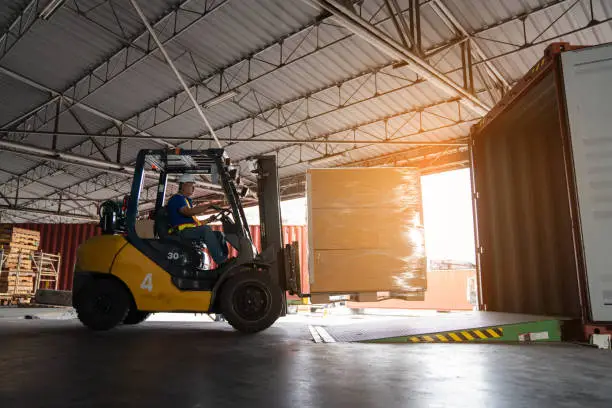
Pallets are the backbone of logistics and supply chain management, silently carrying the weight of industries worldwide. Whether in bustling cities like Sydney or quieter regions like Tasmania, pallets keep goods moving efficiently. Yet, the world of pallets is more intricate than it first appears. From ensuring a steady supply to reducing losses and improving tracking systems, businesses need a firm grasp on pallet control. In this article, we will dive into the importance of pallet plastic, pallet tracking, and effective pallet control across various regions in Australia, including New South Wales (NSW), Tasmania, Perth, and Brisbane.
Traditionally, pallets have been made from wood. But over the last few decades, pallet plastic has become a popular alternative, and for good reason. Plastic pallets are not only more durable but also provide a cleaner, lighter, and more consistent solution for businesses.
From my personal experience managing logistics in a local retail business, we made the switch to plastic pallets a few years ago, and it’s been a game-changer. Plastic pallets don’t splinter, are weather-resistant, and can be easily sanitized, making them perfect for industries like pharmaceuticals and food where hygiene is critical.
Key benefits of pallet plastic include:
Longevity: They have a much longer lifespan compared to wooden pallets, which can break or deteriorate over time.
Reduced weight: Easier handling for workers and reduced shipping costs.
Environmental benefits: Often made from recycled materials and can be recycled again at the end of their life.
For companies operating in extreme weather conditions, like those in Brisbane’s tropical climate or Tasmania’s unpredictable winters, plastic pallets provide an extra layer of reliability and ease of use.
Keeping track of pallets may not sound like the most exciting part of logistics, but it’s one of the most crucial aspects. Imagine trying to run a warehouse or a busy shipping operation without knowing where your pallets are—it would be a nightmare! Pallet tracking helps companies stay organized and avoid unnecessary losses.
One of the challenges I faced when managing a logistics project was the frequent misplacement of pallets. We would often waste hours searching for misplaced pallets, leading to delays and unnecessary costs. Introducing a pallet tracking system was like a breath of fresh air—it completely changed how we operated.
With pallet tracking, companies can:
Monitor the location of each pallet: Whether in a warehouse or during transit.
Track the movement history: Understanding the journey each pallet takes can help improve efficiency.
Identify loss or theft: Reducing the number of ‘missing’ pallets can save significant money.
Optimize usage: Knowing which pallets are in use and which are sitting idle allows for better resource management.
Modern pallet tracking technologies use RFID chips, barcodes, or GPS, ensuring real-time updates on the status and location of pallets. In regions like NSW and Perth, where industries operate at a large scale, pallet tracking is no longer optional but a necessity.
Pallet Control in New South Wales (NSW)
When it comes to pallet control in NSW, the state’s vast economy demands precise and efficient pallet management. Whether it’s manufacturing, retail, or agriculture, NSW businesses rely heavily on robust pallet systems to ensure their goods move smoothly across the region.
My cousin, who works for a mid-sized logistics firm in Sydney, often shares stories about the challenges they face when managing thousands of pallets for their clients. Without proper pallet control, they could easily lose track of inventory, incur high costs, or delay shipments. Their secret? They’ve implemented a sophisticated pallet tracking system that integrates with their inventory management software, making pallet control a seamless process.
In NSW, pallet control helps companies:
Reduce losses from misplaced or damaged pallets.
Improve turnaround time for orders.
Streamline operations by ensuring pallets are always in the right place at the right time.
Tasmania, with its more rural setting and smaller population, faces unique challenges when it comes to logistics. However, just because it’s a smaller state doesn’t mean pallet control in Tasmania is any less important. In fact, due to the state’s geographic isolation, efficient pallet management is critical.
From the booming salmon farming industry to the fresh produce sector, businesses in Tasmania rely on reliable pallet control to get their products to mainland Australia and beyond. In my own travels to Tasmania, I’ve seen how essential pallets are to the island’s agricultural sector, ensuring products like apples, berries, and dairy reach supermarkets across the country.
Effective pallet control in Tasmania helps businesses:
Minimize transportation costs by optimizing pallet loads.
Ensure product safety, especially for fragile or perishable goods.
Track pallets across regions for better logistics planning.
Over on the west coast, pallet control in Perth takes on a different flavor. As one of Australia’s most isolated major cities, Perth faces the dual challenge of long-distance shipping and regional supply chain management.
Several years ago, I worked on a project in Perth that involved transporting mining equipment to remote sites. Having an efficient pallet control system was essential. Without it, we would have faced significant delays, not to mention the added cost of replacing lost or damaged pallets.
For businesses in Perth, the benefits of pallet control include:
Efficient management of large-scale operations, especially in industries like mining and agriculture.
Reduced downtime by ensuring pallets are readily available for loading and shipping.
Cost savings by avoiding the need for constant pallet replacements.
Lastly, let’s turn to Brisbane, a city known for its dynamic economy and growing infrastructure. As Brisbane’s industries expand, so does the need for better pallet management.
When I visited a friend’s warehouse in Brisbane, I was surprised by the size and scale of their operation. They dealt with everything from consumer goods to heavy machinery, all of which relied heavily on pallet systems. Implementing an advanced pallet control system allowed them to manage their stock more efficiently, improve tracking, and reduce losses due to damaged pallets.
For Brisbane’s businesses, pallet control ensures:
Improved scalability, allowing them to handle both small and large shipments.
Enhanced stock control, reducing errors in shipping and receiving.
More reliable shipping times, which is crucial for customer satisfaction.
Pallets might seem like simple tools, but they play a crucial role in keeping the wheels of commerce turning. From the flexibility and durability of pallet plastic to the necessity of precise pallet tracking systems, businesses in NSW, Tasmania, Perth, and Brisbane need to invest in effective pallet control.
In the fast-paced world of logistics, staying on top of your pallet game can mean the difference between smooth operations and costly disruptions. So, whether you’re in a warehouse in Sydney or shipping goods from Tasmania, take a moment to appreciate the humble pallet—your business depends on it!
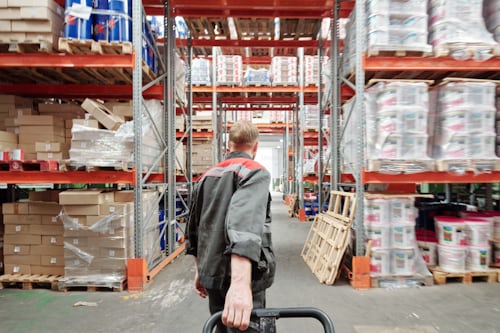
Pallets are the backbone of logistics, supporting goods during transportation across various industries. A pallet management control system combines processes, technologies, and methodologies to increase efficiency and enhance safety. This blog explores the fundamentals of pallet management systems and how accurately managing pallets can boost operational efficiency.
Pallets are flat transport structures used in the transportation of goods across industries such as manufacturing, retail, logistics, agriculture, and construction. They come in various sizes, shapes, and materials. As valuable assets, pallets need to be tracked and managed efficiently. This need has led to the development of pallet management systems.
Pallet management systems oversee the lifecycle of pallets within a supply chain, including tracking their location, usage, and maintenance. These systems help minimise loss, reduce costs, and streamline inventory management. Pallet management services, provided by system providers, include the maintenance and operation of pallet inventories, optimising the supply chain for cost-effective and uninterrupted operations.
Effective pallet management controls are essential for increasing supply chain efficiency and gaining greater visibility over asset management. The key components include:
Tracking Technology: This can range from physical pallet dockets, barcodes and RFID tags to advanced GPS systems, helping monitor and manage pallet movement and storage in real-time.
Inventory Management Software: Integrates with tracking technology to provide insights into pallet usage and inventory levels, aiding in forecasting needs and making informed decisions.
Pallet Pooling Services: Based on the principles of the circular economy, this concept involves sharing or reusing pallets instead of owning them. Third-party logistics providers manage a pool of pallets, leasing them to businesses within a network.
Maintenance Protocols: Regular inspection, cleaning, and maintenance ensure pallets remain efficient and in good condition.
User Training: Training employees on the use of pallet control systems can significantly reduce errors and losses, enhancing overall supply chain efficiency.
Pallet management systems offer several benefits for achieving higher levels of supply chain efficiency:
Better Resource Allocation: Improved availability of pallets and reduced downtime in their usage lifecycle. Insights from pallet control services help allocate resources more efficiently and support advanced decision-making.
Improved Inventory Control: Technologies like barcodes and RFID enable real-time tracking of pallet movement, providing valuable data for better forecasting and inventory planning. Accurate tracking ensures optimal inventory levels, reducing stockouts or overstock situations.
Cost Reduction: Reliable tracking systems reduce the number of lost or stolen pallets, lowering replacement costs. Effective pallet management minimizes the need for additional purchases and optimizes storage space, reducing warehouse rental costs.
Effective pallet management is crucial for better supply chain operations. Beyond tracking pallets, these systems offer benefits in resource allocation, inventory control, and cost reduction. Investing in a robust pallet management control system can significantly enhance operational efficiency and protect your business’s bottom line.

Pallet control solutions are essential for ensuring efficient and safe operations across various industries, including manufacturing, retail, logistics, transportation, and warehousing. Companies like Precise Pallet Management provide these solutions, handling tasks such as tracking and resolving disputes relating to pallets. In this blog, we’ll explore the right way to implement pallet control solutions for maximum efficiency.
Pallet control solutions encompass a range of technologies, strategies, and processes designed to manage pallets within the supply chain. Common solutions include pallet tracking systems, pallet pooling, damaged pallet repair and maintenance, and pallet design and optimisation. These solutions are provided by pallet pooling companies, material handling equipment suppliers, software providers, third-party logistics, and in-house logistics teams.
Hiring companies like Precise Pallet Management can simplify complex pallet control tasks, offering services such as lost pallet recovery, pallet audits, operational audits and ongoing pallet management.
Implementing pallet control solutions can streamline operations in several ways:
Improved Inventory Management: Accurate pallet tracking and management help businesses understand stock levels, reducing wastage, stockouts, or overstocking.
Cost Reduction: Efficient pallet control can save money on transportation, storage, and pallet replacement costs.
Reduced Downtime: Minimising downtime caused by pallet shortages or damage ensures smooth operation of production lines and distribution centers.
Enhanced Productivity: Streamlined pallet processes reduce the time employees spend locating and handling pallets, allowing them to focus on other tasks.
Sustainability: Promoting the recycling and reuse of pallets contributes to a greener supply chain.
Improved Safety: Efficient pallet management creates a safer working environment by reducing the risks of accidents caused by mishandled pallets.
Assess Current Pallet Systems: Understand and evaluate your current pallet systems, including tracking, storage, and handling processes. Engage with employees to identify management and operational challenges.
Understand Your Pallet Needs: Assess the specific pallet needs based on the size, weight, and type of goods you transport or store. Choose pallets that can withstand operational rigors while optimising space.
Define Goals and Metrics: Set clear objectives for your pallet control management system, such as reducing pallet loss rates and increasing fulfillment accuracy. Establish key performance indicators (KPIs) to measure progress.
Choose the Right Technology: Invest in technologies like Warehouse Management Systems (WMS), barcode and RFID technology, and specialised pallet management software to automate and optimise pallet tracking and inventory management.
Use Advanced Techniques to Maximize Space: Implement strategic stacking and efficient palletising techniques to maximize space and prevent waste.
Cost: Compare the costs and services of different providers to ensure they meet your business demands.
Scalability: Ensure the provider can accommodate your business’s growth and changing needs.
Reliability: Choose a provider with a track record of reliability and customer satisfaction.
Integration: Consider how well the provider’s solutions integrate with your existing systems and processes.
Sustainability: If sustainability is important to your business, choose a provider that offers environmentally friendly pallet management solutions.
Effective pallet management is crucial for the smooth operation of warehouses and supply chains. Professional services like Precise Pallet Management can significantly enhance pallet management in your organisation. By following the steps outlined in this blog, you can streamline operations and achieve maximum efficiency.
© 2025 Precise Pallets Management | Privacy Policy | Terms & Conditions